
How to choose the right AI trading bots in 2026 (Beginner Guide)
Learn how to choose the right AI trading bots in 2026 with this beginner-friendly guide. Covers risk management, bot types, and smart AI investing strategies.
3/11/20265 min read
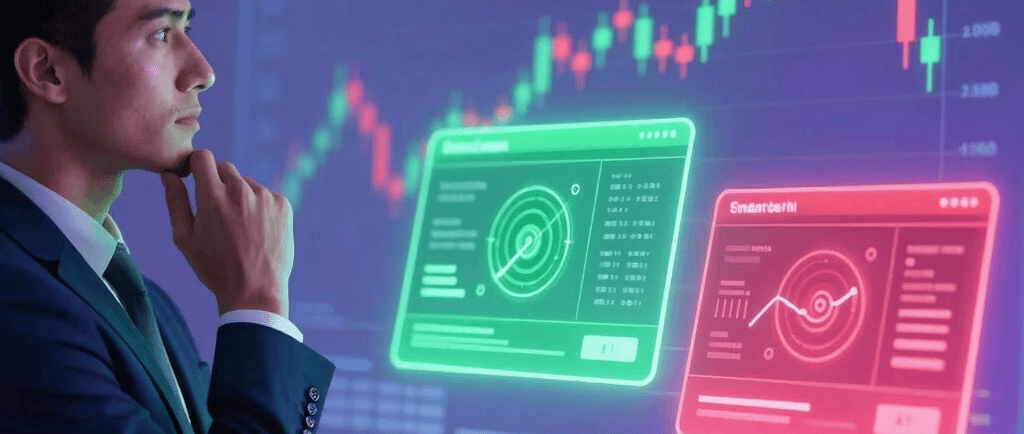

Artificial intelligence is transforming how people approach investing. In 2026, trading bots powered by AI and automation tools are becoming increasingly popular among both beginners and experienced investors.
But here is the reality, many people discover too late:
Most beginners don’t lose money because trading bots often fail to work effectively.
They lose money because they choose the wrong one.
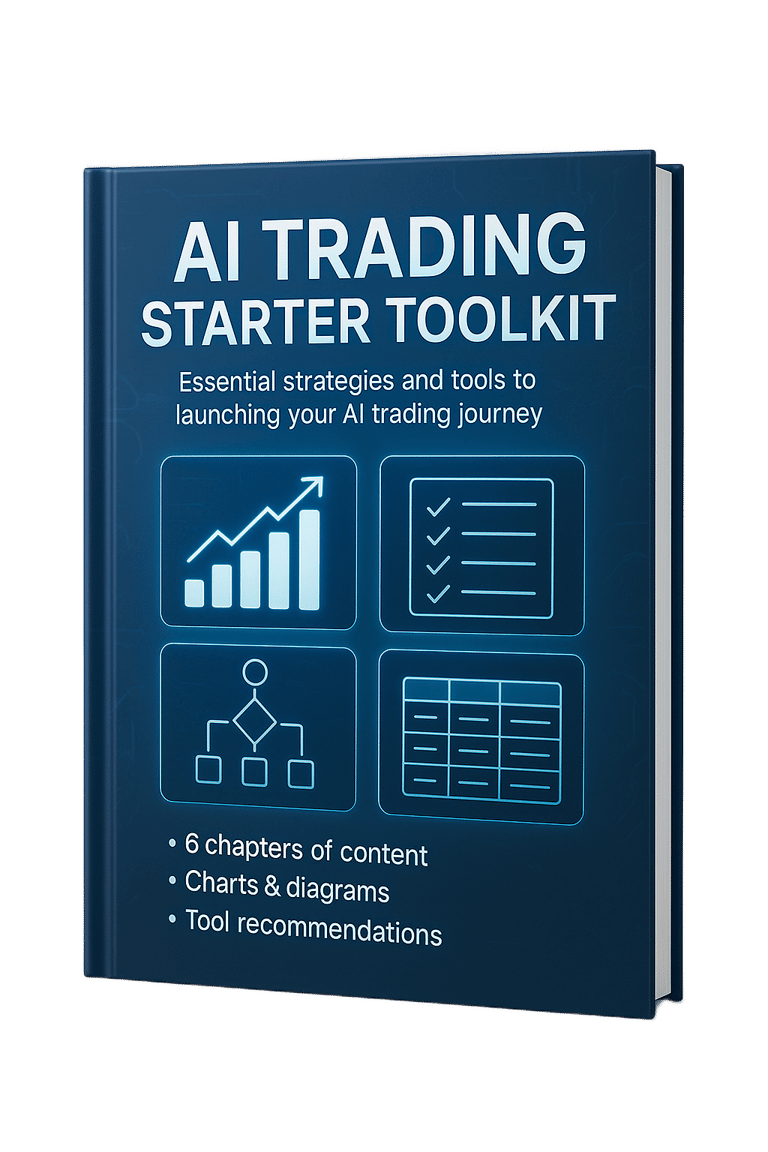
👉 Most beginners struggle because they don’t have a system. This AI Trading Starter Toolkit [AI Trading Starter Toolkit] you one
The internet is filled with screenshots showing impressive profits, promises of passive income, and lists claiming to reveal the “best AI trading bots.” Unfortunately, choosing a bot based on hype, social media posts, or unrealistic expectations is one of the fastest ways to lose confidence — and sometimes capital.
Choosing the right trading bot requires understanding how these tools actually work, what risks are involved, and which type of bot fits your personal investing strategy.
In this guide, we’ll break down how beginners can evaluate trading bots responsibly and use AI tools to invest better with the power of AI.
Understanding What Trading Bots Actually Do
Before choosing a trading bot, it’s important to understand what they really are.
A trading bot is a software program designed to automatically execute trades based on predefined rules or algorithms. Many modern bots use AI or machine learning techniques to analyze market conditions, identify patterns, and adjust strategies.
However, a bot is not a magic money machine.
It cannot predict the future, eliminate risk, or guarantee profits.
What a good trading bot can do is help automate repetitive tasks, remove emotional decision-making, and execute strategies more efficiently.
When used responsibly, bots can support disciplined investing strategies. When used incorrectly, they can magnify mistakes.
Why Many Beginners Choose the Wrong Bot
The biggest mistake beginners make is focusing on potential profit instead of compatibility.
People often ask:
“Which trading bot makes the most money?”
But the better question is:
“Which trading bot fits my strategy, capital, and risk tolerance?”
Every investor has different circumstances. Someone trading with $100 should not necessarily use the same bot as someone managing a $10,000 portfolio.
Factors like market conditions, time horizon, risk tolerance, and trading experience all influence what type of bot makes sense.
Choosing the wrong type of automation tool can lead to confusion, overexposure to risk, and unnecessary costs.
The Main Types of Trading Bots
Understanding bot categories is one of the most important steps when selecting the right tool.
Grid Trading Bots
Grid bots are among the most beginner-friendly options. They work by placing buy and sell orders at predetermined price intervals.
These bots perform best in sideways markets where price moves within a range.
Advantages include simplicity and automation, but they can struggle during strong trends if not configured properly.
For beginners who want a structured and relatively simple system, grid bots are often a reasonable starting point.
Trend-Following Bots
Trend bots aim to capture momentum when markets move strongly upward or downward.
These bots rely on technical indicators such as moving averages or momentum signals to determine entry and exit points.
While they can perform well during strong trends, they may produce false signals during choppy markets.
Trend-following bots are better suited for investors who understand market cycles and are comfortable adjusting parameters when conditions change.
Arbitrage Bots
Arbitrage bots attempt to profit from price differences across exchanges.
For example, if Bitcoin is trading slightly higher on one exchange than another, the bot can attempt to exploit that difference.
While the concept sounds simple, arbitrage strategies often require faster execution speeds, exchange integration, and an understanding of transaction fees.
For beginners, these systems can be more complex to manage.
AI Adaptive Bots
Some platforms now offer AI-driven bots that automatically adjust strategies based on changing market conditions.
These tools may incorporate machine learning, sentiment analysis, or predictive models.
However, even AI-powered systems still require human oversight.
Automation can improve efficiency, but it cannot replace disciplined risk management.
Capital Size and Strategy Alignment
Another key factor when choosing a trading bot is capital allocation.
The size of your account affects which strategies make sense.
Smaller Accounts
Investors starting with smaller balances should prioritize simplicity and low-risk automation.
Complex strategies involving leverage or multiple simultaneous positions can quickly increase risk exposure.
Bots with adjustable position sizes and clear risk controls are typically better suited for smaller accounts.
Larger Accounts
Investors with larger portfolios must focus more heavily on drawdown management and diversification.
Instead of chasing higher returns, the priority becomes protecting capital while maintaining consistent performance.
Regardless of account size, risk management should always come before profit expectations.
Risk Management Comes First
A common misconception about trading bots is that they remove risk.
In reality, they only change how risk is managed.
Before choosing a bot, evaluate the following factors:
Historical drawdown levels
Risk control settings
Stop-loss capabilities
Fee structure
Exchange security
Transparency of strategy
If a platform promises guaranteed profits or unrealistic returns, it is usually a warning sign.
Responsible automation tools provide flexibility, transparency, and user control.
The Importance of Backtesting
Many trading bots advertise impressive historical results.
These results are usually based on backtesting, which simulates how a strategy would have performed using past market data.
Backtesting can provide useful insights, but it should not be treated as a guarantee.
Markets evolve constantly.
Liquidity conditions change.
Volatility shifts.
Economic events reshape trends.
Successful investors use backtesting as a reference point — not a promise.
Setting Realistic Expectations
Automation can make investing more efficient, but it does not eliminate the need for discipline.
A trading bot should be viewed as an assistant rather than a replacement for strategy.
Investors still need to monitor performance, adjust settings, and maintain realistic expectations.
The goal should never be to “get rich quickly.”
The goal is to establish a structured, repeatable system that effectively manages risk and grows incrementally over time.
When used responsibly, AI tools can help investors stay consistent and avoid emotional trading decisions.
Final Thoughts
Choosing the right trading bot in 2026 is not about finding the most profitable system.
It’s about finding the tool that aligns with your capital, risk tolerance, and long-term strategy.
The best automation tools help investors maintain discipline, execute strategies efficiently, and reduce emotional decision-making.
As artificial intelligence continues to reshape financial markets, the most successful investors will be those who combine technology with structured thinking.
At TechMoneyAI, our mission is simple:
Invest better with the power of AI.
If you want a practical roadmap for beginners learning how to use AI tools responsibly, including automation strategies, digital income ideas, and structured frameworks, you can explore the complete guide below.
Ready to Start with AI?
If you want a practical, beginner-friendly roadmap to start using AI tools step by step, the AI Trading Starter Toolkit includes:
✔ A 30-day structured plan
✔ Copy-and-paste AI prompts
✔ Beginner-friendly strategies
✔ Risk management basics
👉 Download the [AI Trading Starter Toolkit]
(Educational content only. No guarantees.)
Start Your AI Investing Journey
Get a clear beginner roadmap with AI tools, practical strategies, and a 30-day plan to start building smarter financial habits.
Start Your AI Investing Journey
Get a clear beginner roadmap with AI tools, practical strategies, and a 30-day plan to start building smarter financial habits.